Cubic Sensor and Instrument Co.,Ltd.
Cubic Lithium Battery Manufacturing Process Monitoring Solutions

Cubic Lithium Battery Manufacturing Process Monitoring Solutions

To Ensure Product Quality, Operation Safety & Process Efficiency
Contact Us >

The lithium battery business is a key driver of the worldwide transition to clean energy and sustainable technology. However, the battery manufacturing process is complex and sensitive, which requires a strictly controlled manufacturing environment based on ISO cleanroom standards and environmental policies for hazardous materials management.

Lithium Battery Manufacturing Process

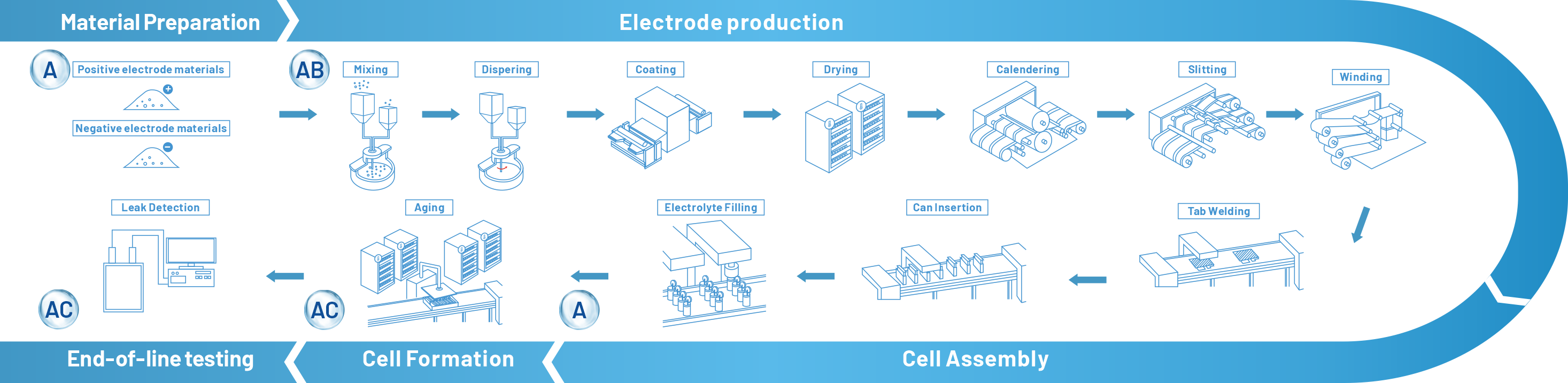
The manufacturing of lithium-ion batteries requires a highly controlled environment, stringent safety protocols, and robust quality assurance mechanisms throughout every stage of production. The process is typically divided into five core steps:


流程图1.png


At each of these stages, the integration of environmental air monitoring, safety monitoring, and process quality monitoring solutions ensures not only product consistency and safety but also operational efficiency and compliance with regulatory standards.


Challenges in Lithium Battery Manufacturing Process

In each stage of lithium-ion battery manufacturing carried out in cleanrooms, stringent monitoring and control are crucial to ensure cleanroom compliance, product quality, safety, and operational efficiency.


Key challenges include:

  • Contamination Risks: Tiny airborne particles or impurities in cleanroom environments can compromise cell performance and lead to higher defect rates.

  • Material Sensitivity: Lithium-based materials and electrolytes are highly reactive, requiring stringent handling and monitoring to prevent safety hazards.

  • Thermal Management: Heat generated during production or testing phases can trigger thermal runaway, posing significant risks to safety and equipment.

  • Regulatory Compliance: Manufacturers must navigate stringent environmental, safety, and quality standards to remain compliant and competitive.


Overcoming these challenges requires advanced and comprehensive monitoring solutions to optimize production and ensure reliable, high-quality battery products.


流程图2.png 

To meet the monitoring demands at each phase of Li-battery manufacturing, Cubic, a leading manufacturer of gas sensors and gas analyzers, has leveraged its mature technologies of light scattering, NDIR, TDLAS, MEMS MOX, MEMS Thermal Conductivity, and Laser Raman, to develop a complete product portfolio for Li-battery manufacturing process to realize environmental air quality monitoring, process and quality monitoring, and manufacturing safety monitoring. 


A: Environmental Air Monitoring

Environmental air quality monitoring is essential in lithium-ion battery production to ensure material integrity, worker safety, and process precision. Controlling airborne air quality including particulates, humidity and temperature, prevents contamination, chemical instability, and safety hazards, and also air quality monitoring ensures cleanroom compliance with regulatory standards, supports high-quality production, and enhances operational safety across all stages of the manufacturing process.


Particle Counter

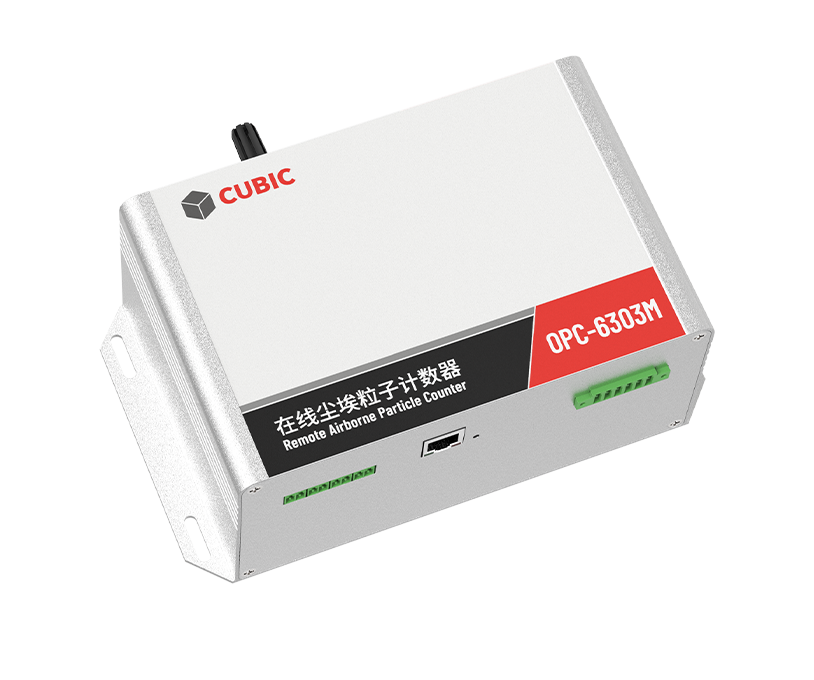
Particle counter is essential for contamination control in cleanrooms and dry rooms. Cubic has specially developed optical particle counters based on light scattering technology, which can detect airborne particles in real-time, ensuring compliance with ISO standards and minimizing the risk of defects. With high sensitivity and integration capabilities, Cubic optical particle counter could help protect sensitive materials and maintain ultra-clean manufacturing environments.


Indoor Air Quality Sensors & Transmitter

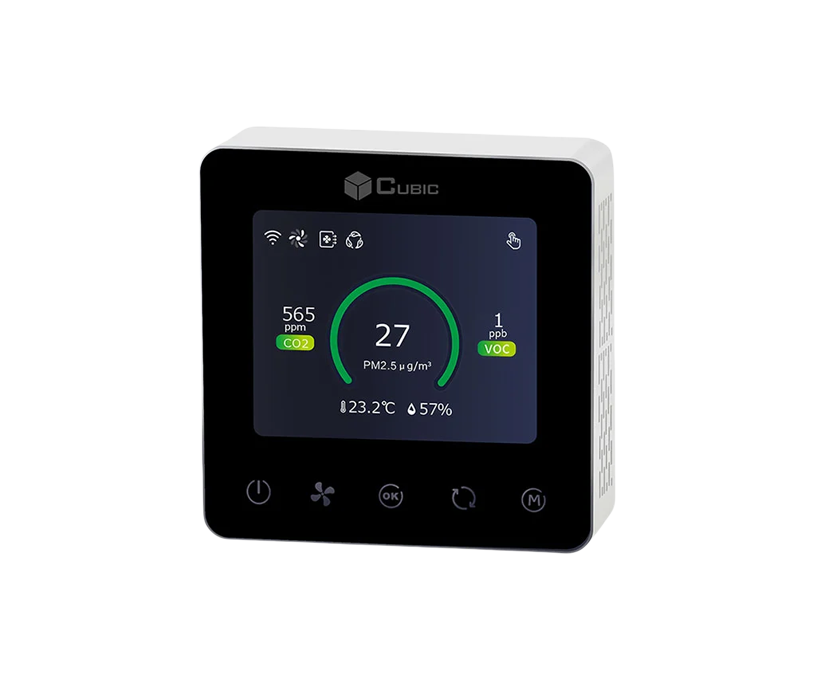
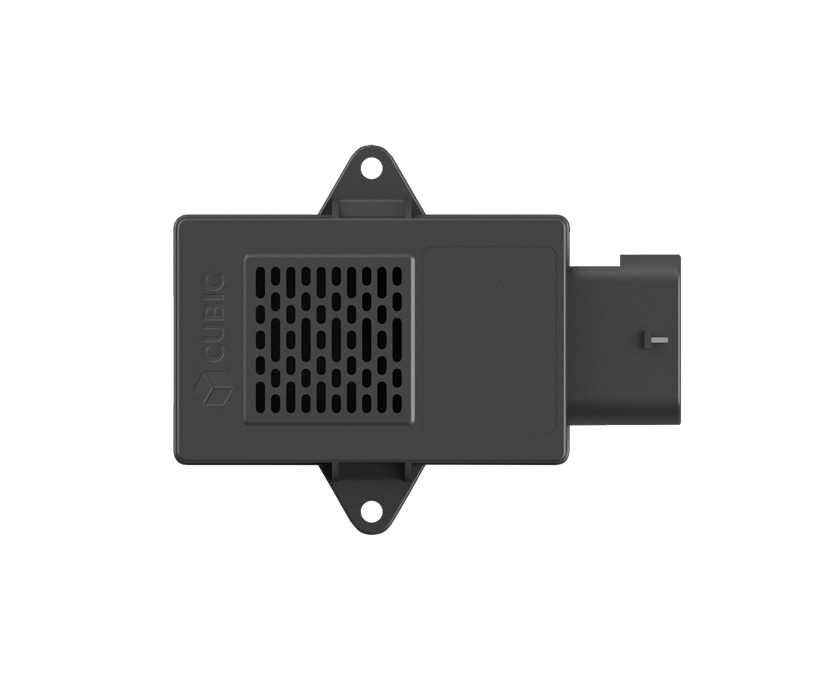
IAQ sensors and transmitters monitor multiple environmental factors, including CO2, temperature, humidity, and VOCs, providing comprehensive air quality insights. Cubic indoor air quality sensors & transmitter are compact and easy to integrate into HVAC or process systems, ensuring stable conditions for safe and efficient production.


B: Manufacturing Safety Monitoring

In lithium battery production, safety monitoring is essential to detect hazardous gases and control dust risks. Toxic solvents like NMP can pose serious health and fire hazards if leaks go unnoticed, while fine particulates in dry rooms may lead to dust explosions. Continuous, accurate monitoring ensures early detection, regulatory compliance, and a safer production environment.


NMP Gas Detector

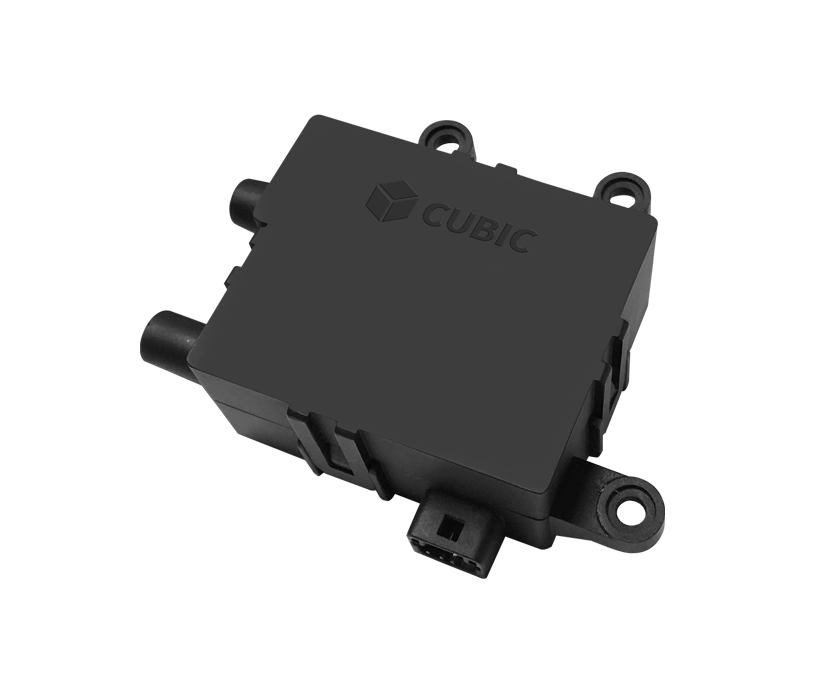
NMP is a widely used but toxic solvent in electrode coating. Cubic NDIR NMP gas monitors provide real-time detection of low-concentration leaks, helping protect workers and prevent fires. It can be integrated easily into ventilation or alarm systems, ensuring safe operation in critical areas.


Explosion-proof Particle Counter

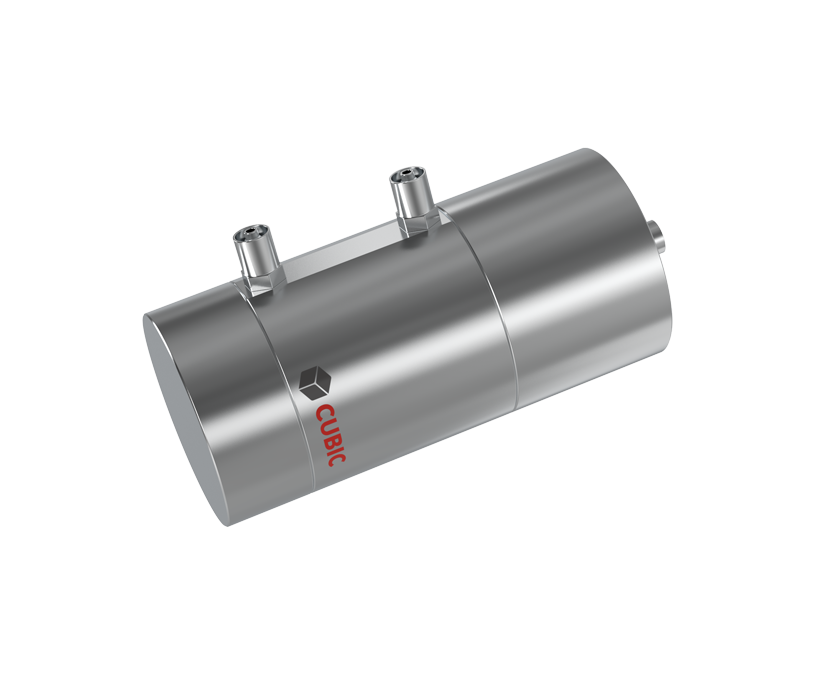
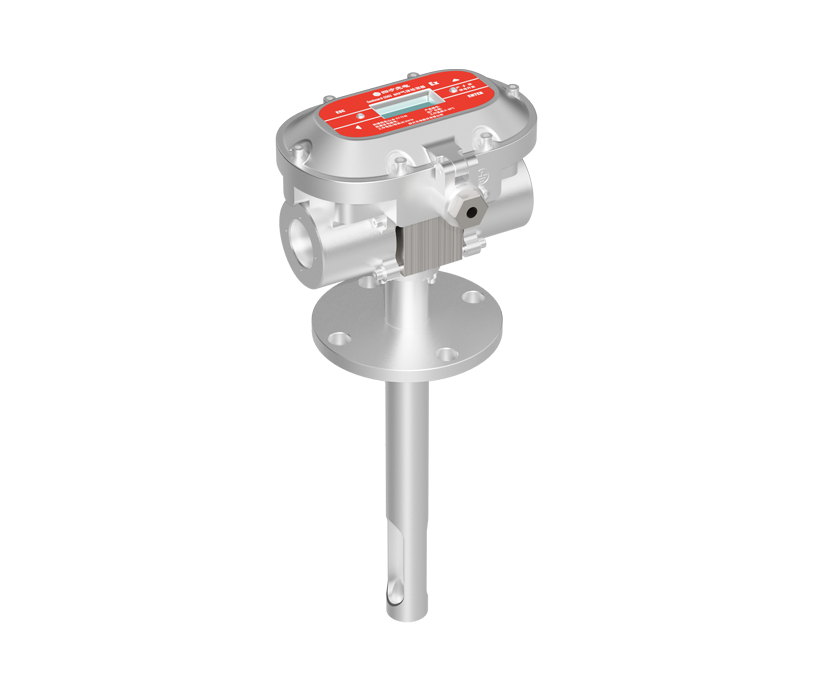
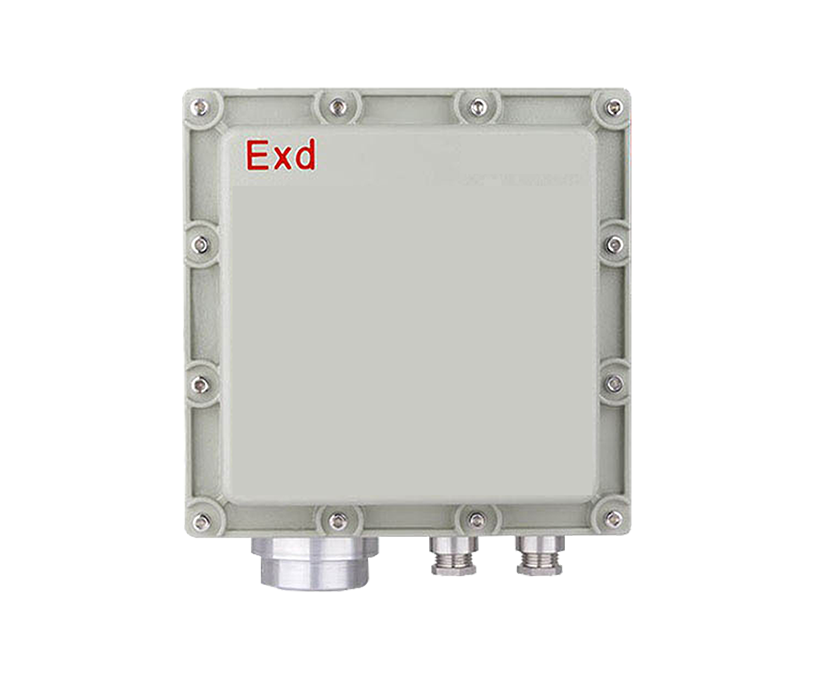
In formation and dry room zones, explosion-proof particle counters monitor airborne dust levels in real time. Designed for hazardous environments, Cubic explosion-proof particle counter can help prevent dust ignition while supporting cleanroom control. Certified for application in explosive zones, it can enhance both safety and production quality.


C: Process & Quality Monitoring

In lithium battery manufacturing, process and quality monitoring is key to preventing safety incidents and improving yield. Electrolyte leakage and thermal runaway are two critical risks—both can escalate rapidly if not detected early. By deploying targeted monitoring solutions, manufacturers can safeguard personnel and equipment, meet safety standards, and ensure stable, efficient production.


Electrolyte Leak Detector

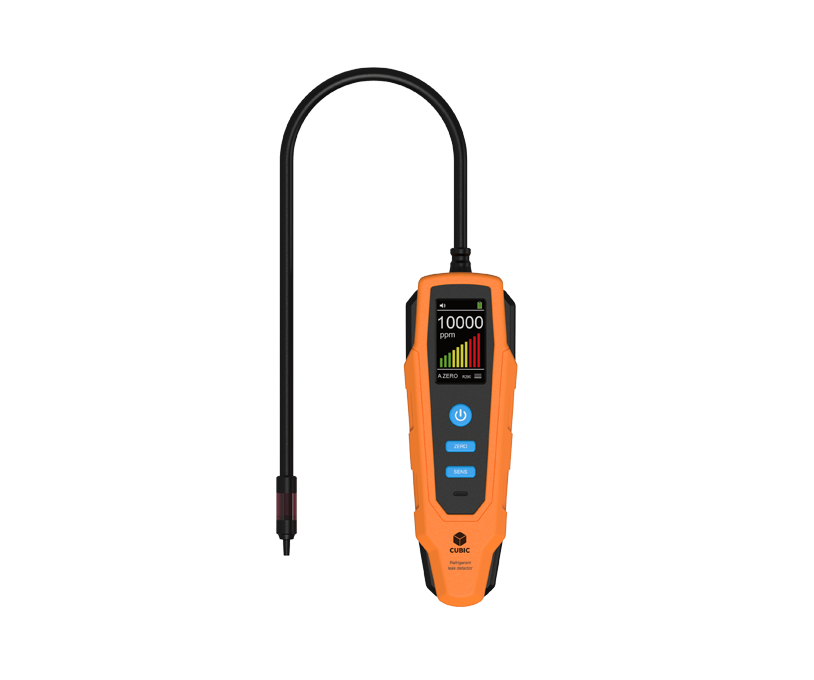
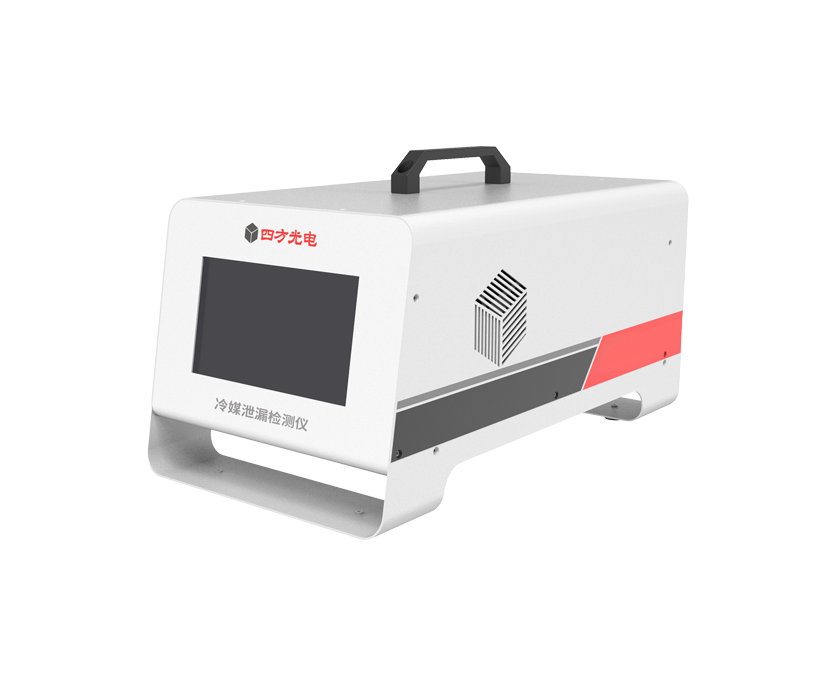
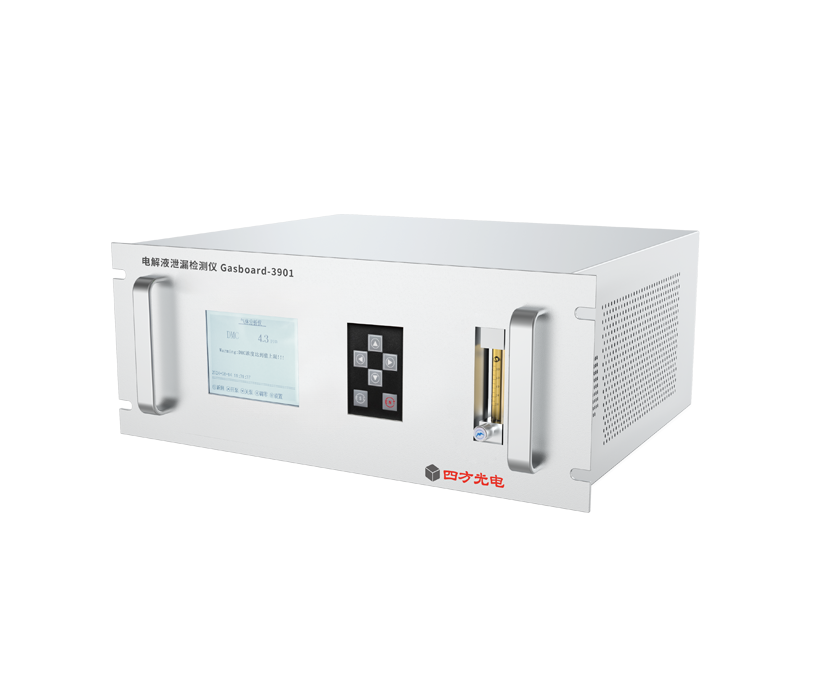
Electrolytes contain flammable and toxic solvents that, if leaked, pose serious fire, explosion, and health risks. Cubic electrolyte leakage monitor detect vapor traces of these substances in real time, enabling early warnings and quick response, designed for sensitive areas including electrolyte filling, sealing, and formation, supporting both safety and compliance.


Thermal Runaway Sensors & Analyzer

Thermal runaway often starts with small cell anomalies that release gases including CO2, CO, H2, and hydrocarbons. Cubic thermal runaway gas solutions provide early-stage detection of these warning gases before temperature spikes occur. Featuring high sensitivity and fast response, they help prevent catastrophic failures and are essential for battery testing lines and cell aging processes.


Improve Product Quality and Process Efficiency<br>With Cubic Li-Battery Manufacturing Monitoring Solutions
Improve Product Quality and Process Efficiency
With Cubic Li-Battery Manufacturing Monitoring Solutions
Contact us

Industrial Standards


StandardsIssued Party
ISO 14644:2015Cleanrooms and Associated Controlled Environments – Part 1: Classification of Air Cleanliness by Particle ConcentrationISO
ISO 21501-4:2018Determination of Particle Size Distribution – Single Particle Light Interaction Methods – Part 4: Light Scattering Airborne Particle Counter for Clean SpacesISO
TEX 2014/34/EUDirective on Equipment for Explosive AtmospheresEU Commission
IEC 60079-29-1Explosive Atmospheres – Gas Detectors – Performance Requirements of Detectors for Flammable GasesIEC
NIOSH RELRecommended Exposure Limit for NMPNIOSH
OSHA 29 CFR 1910.1000Air Contaminants – Permissible Exposure Limits (PELs)OSHA
UL 9540ATest Method for Evaluating Thermal Runaway Fire Propagation in Battery Energy Storage SystemsUL


Benefit of Cubic Li-Battery Manufacturing Process Monitoring Solutions

Regulatory Compliance

Continuous monitoring of emissions and process parameters helps meet environmental regulations, occupational safety standards, and quality certification requirements, ensuring full compliance with strict lithium battery industry regulations.                        

Operational Efficiency

Process and environmental data support predictive measures, energy optimization, and quality control, improving product yield, reducing downtime, across lithium battery manufacturing operations.

Safety Enhancement
Safety Enhancement

Monitoring of flammable gases, thermal conditions, and hazardous substances minimizes risks of fire, explosion, and chemical exposure, enhancing workplace safety and enabling rapid emergency response in lithium battery facilities.

Quality Improvement
Quality Improvement

By monitoring environmental parameters, in key production processes, manufacturers can quickly detect leaks of contamination, which helps maintain a clean environment, and ensure consistent quality.

How May We Help?